
Living Labs
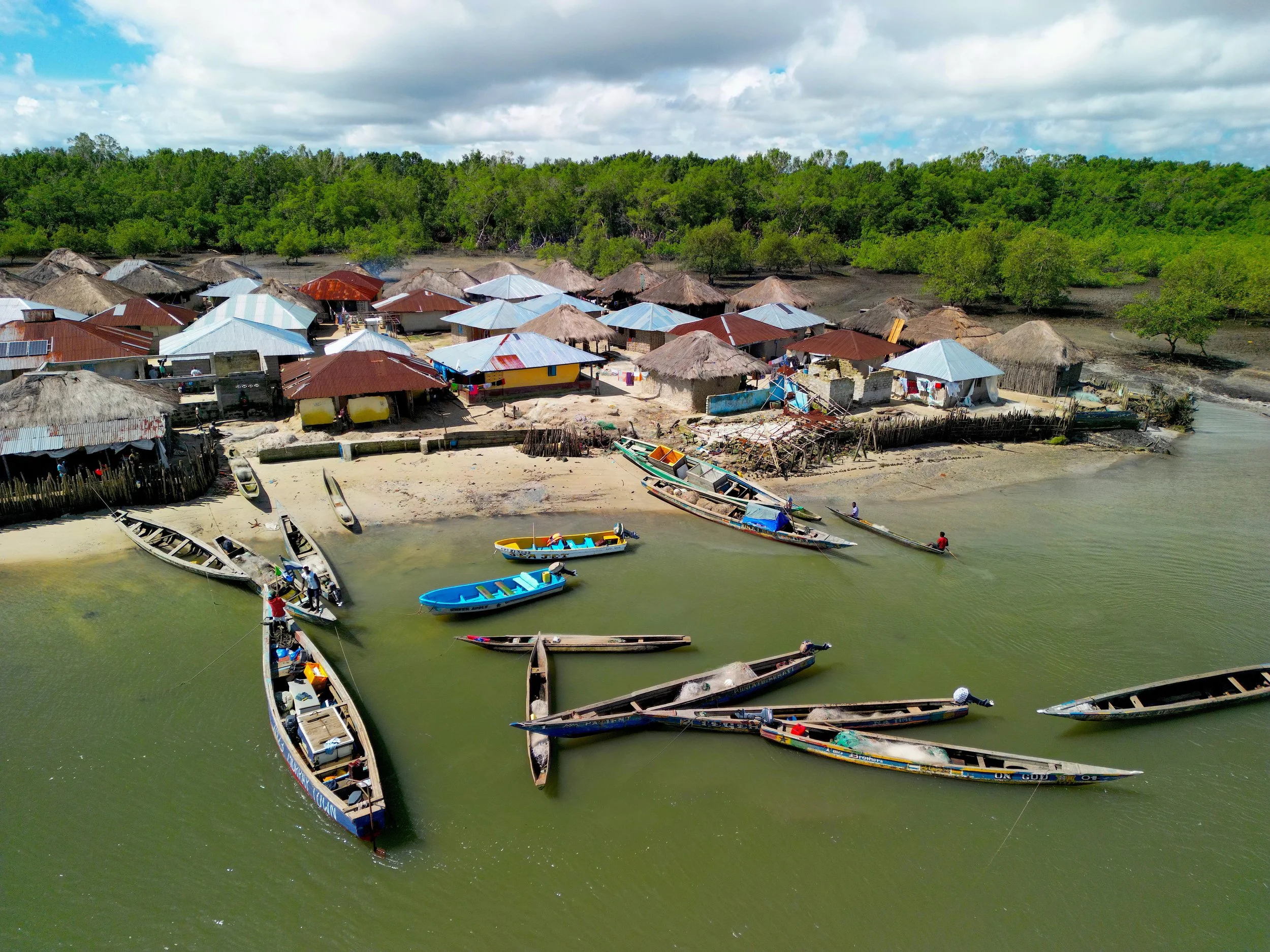
West Africa Blue is turning its projects in Sierra Leone and Guinea into "Living Labs" to test and expand open-source solutions for real-world challenges.
We’re committed to sharing insights and successful strategies to boost the blue carbon market in West Africa and beyond. With the pressing need to safeguard and restore mangroves, our goal is to develop and disseminate replicable solutions for the benefit of project developers, communities, governments, and researchers across the world.
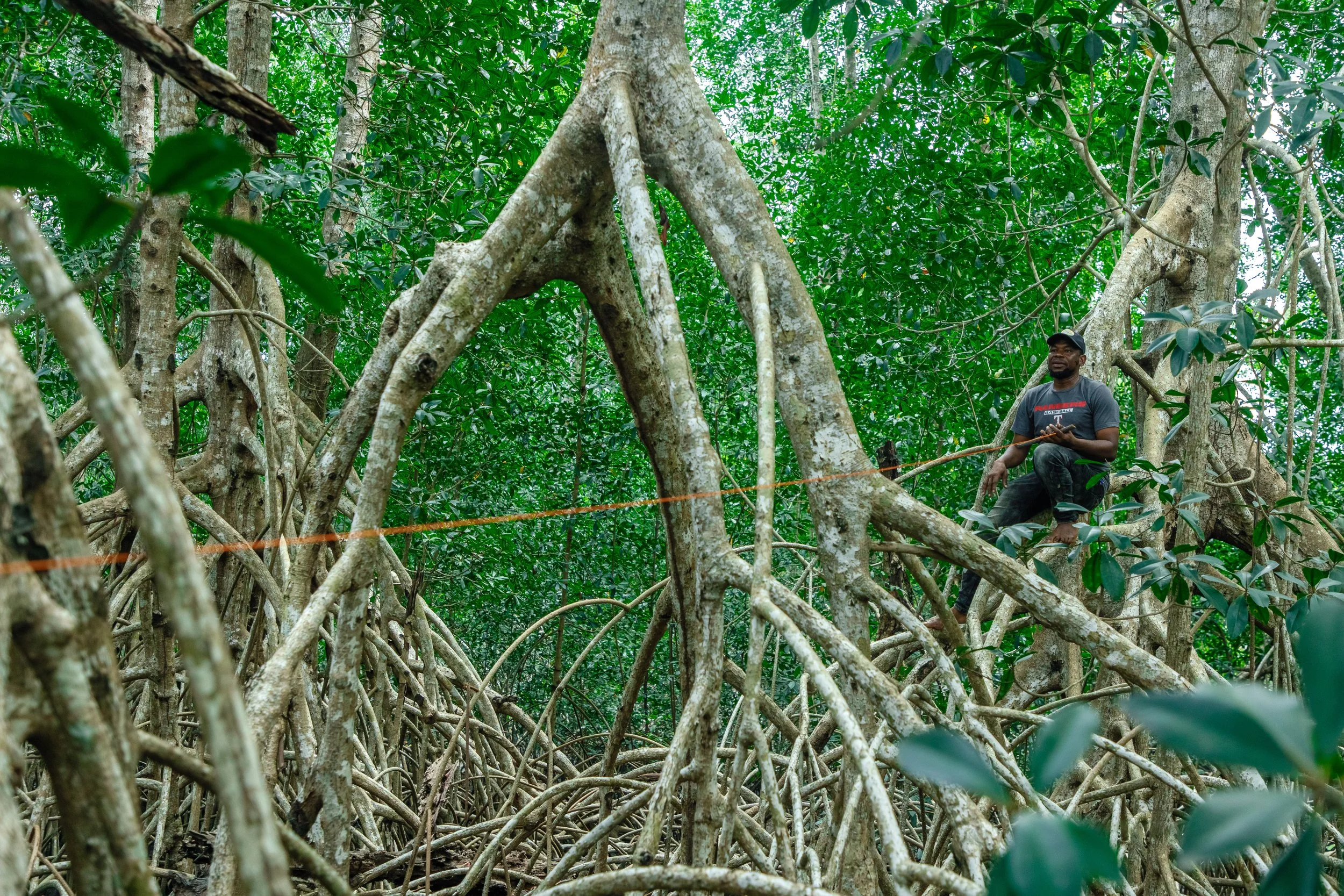
Blue’s projects in Sierra Leone and Guinea are some of the very first large-scale blue carbon projects in Africa and provide a unique opportunity to demonstrate and establish high standards in integrity, equity and transparency.
Blue’s Living Labs is focused on developing solutions in the following areas critical to the blue carbon market.
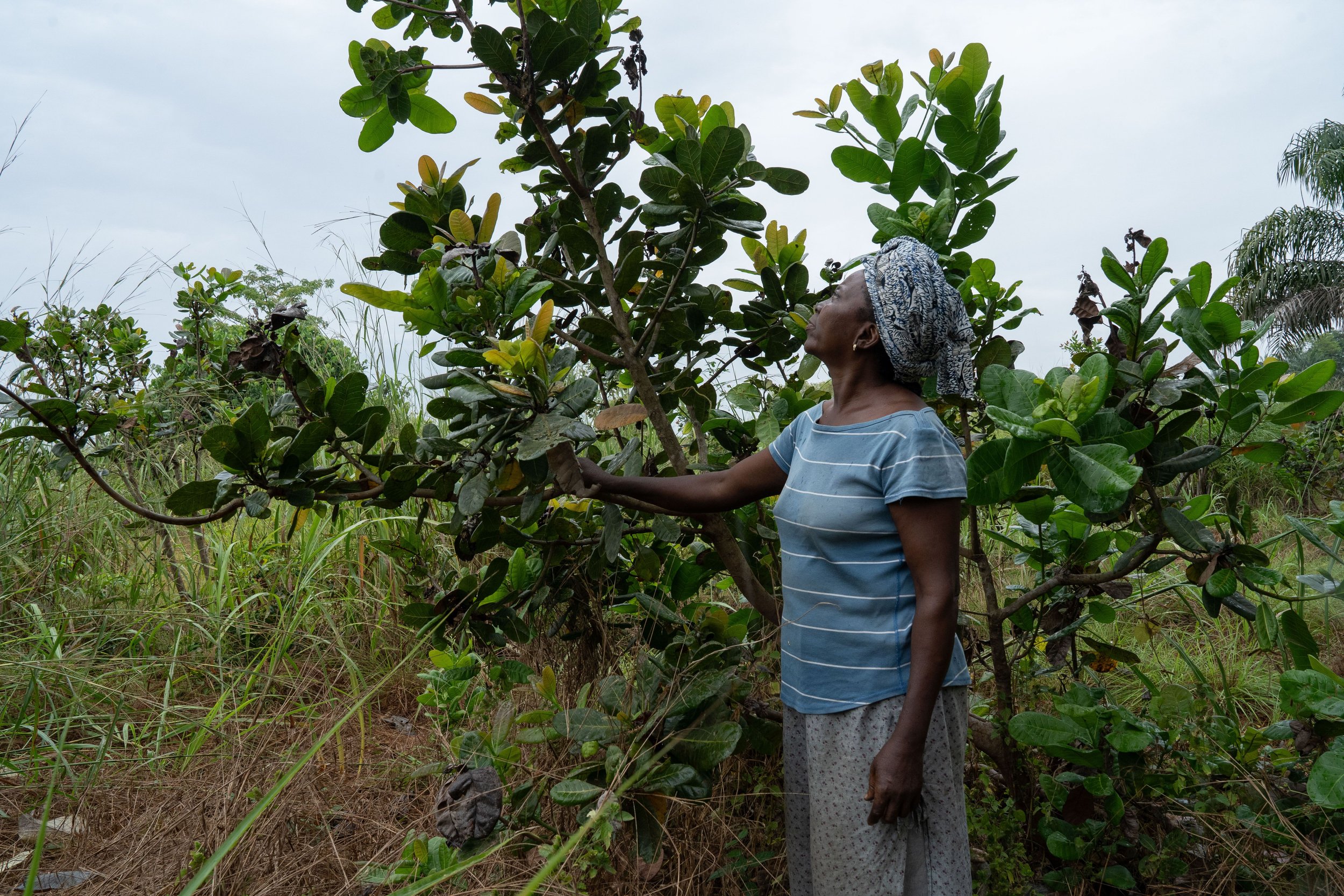
The Benefit Sharing Agreement (BSA) Living Labs series is an open-source resource developed by West Africa Blue to catalyze fair, transparent, and high integrity benefit sharing across the nature-based carbon market, especially for blue carbon.
Offered by Blue as a public good, the BSA Living Labs materials are jurisdiction-neutral and adaptable, enabling governments, communities, and project partners to tailor them across diverse contexts. Carefully designed, inclusive benefit sharing frameworks—co-created with communities, government, and project developers—are critical to the long-term success and integrity of carbon projects.
Benefit Sharing Agreement (BSA) Series
FEATURED
-
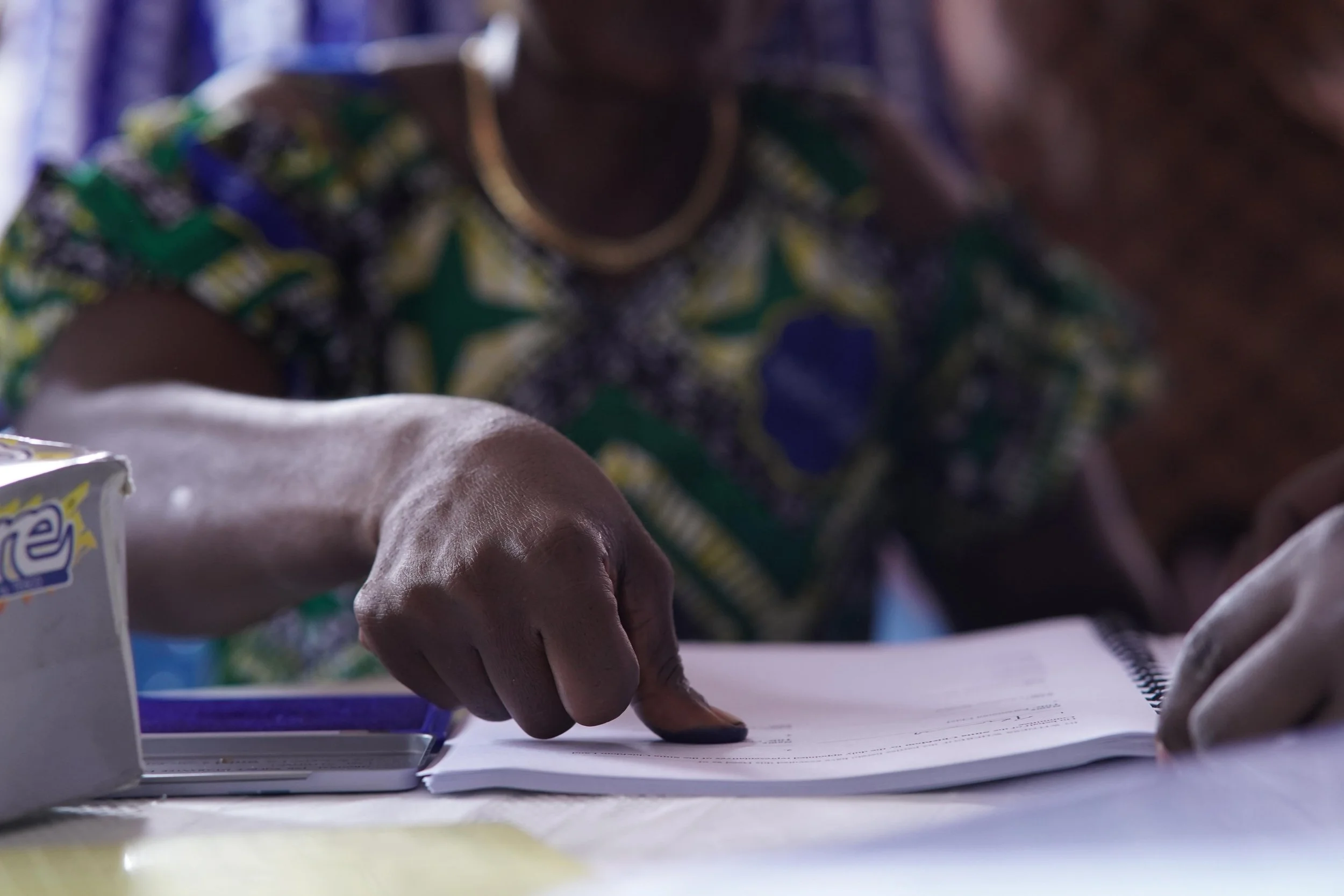
This BSA series offers open-source materials aimed at promoting transparency in benefit sharing. Fair and clear distribution of project revenues among communities, developers, investors, and governments is crucial to sustainably scaling the nature-based carbon market to reach its full potential.
-
Robust mangrove assessment methodologies and practices are crucial to blue carbon projects. Advances in remote sensing, machine learning, and AI-powered technology and methodologies have improved researchers’ and developers’ ability to measure and analyze mangrove coverage, track deforestation trends, and quantify carbon storage within mangrove ecosystems. Living Labs will share data, analysis, and methodologies implemented by Blue throughout its project areas with a view to furthering the body of knowledge relating to mangrove assessment in West African coastal ecosystems.
-
Community engagement is essential for the success and sustainability of carbon projects. It builds trust, fosters collaboration, and ensures diverse perspectives are included. Building on its extensive work with communities in Sierra Leone and Guinea, Living Labs will provide a range of proven materials to enhance community engagement efforts.
Guidance on FPIC and Community Engagement
Baseline Situational Assessment for Sherbro River Estuary and Yawri Bay
Community Engagement Modules Aligned with Free, Prior and Informed Consent (FPIC)
-
Efficient cookstoves and smokers play a pivotal role in mitigating the depletion of mangrove wood resources in rural coastal communities in West Africa. Living Labs will offer a variety of resources for project stakeholders, including technical specifications and construction guides for locally-adaptable improved cookstove and smoker designs, materials supporting community education, roll-out and adoption, and insights into the socio-economic impacts of cookstoves within Blue’s project areas.
Improved Cookstoves: A Practical Guide (Sierra Leone)
Video: How to Build Improved Cookstoves / Vidéo: Comment Construire des Foyers de Cuisson Améliorés
Improved Fish Smoking Ovens: A Practical Guide (Sierra Leone)
Detailed Cookstove Construction Guide / Guide de Construction de Foyers de Cuisson Améliorés
Cookstoves Infographics
-
Sustainable livelihoods are critical for reducing pressure on natural ecosystems while enhancing the well-being of local communities. By promoting alternative income-generating activities like oyster farming, beekeeping, and woodlot cultivation, West Africa Blue helps foster economic resilience and environmental stewardship. The Living Labs initiative will offer practical tools and strategies for developing and scaling these alternative livelihoods, empowering communities to thrive while conserving vital ecosystems.
Oyster Farming (Sherbro River Estuary, Sierra Leone)
A Video Guide to Solar Salt Production (Forécariah, Guinea) / Guide Vidéo de Production de Sel Solaire (Forécariah, Guinée)
Detailed Guide for Producing Solar Salts / Guide détaillé pour la production desel solaire
Solar Salt Infographics
-
Climate change adaptation is essential for protecting vulnerable communities from the impacts of rising sea levels, extreme weather, and shifting ecosystems. West Africa Blue’s projects in Sierra Leone and Guinea integrate locally relevant adaptation measures, such as mangrove restoration, flood control strategies, and resilient agricultural practices. The Living Labs platform will share proven approaches to help communities build resilience against climate change while safeguarding biodiversity and critical natural resources.
Adaptation Briefing Note (Sherbro River Estuary, Sierra Leone)
-
Blue employs innovative methodologies and proven techniques aimed at preserving and enhancing ecological diversity within its project areas, including sustainable land management practices, strategies for integrating biodiversity monitoring into project frameworks, and consultation and collaboration with subject matter experts. Leveraging its experience in the field, Living Labs will offer content that seeks to empower stakeholders to effectively safeguard biodiversity as a central component of carbon project development.
-
Blue prioritizes the integration of gender-responsive and safeguarding practices into project design and operation. Living Labs will offer practical insights and best practices for incorporating gender considerations and safeguarding throughout project lifecycles, with a particular emphasis on mitigating risks specific to rural and vulnerable communities.